It started in 1951, with a simple but powerful goal: help people reconnect across borders and rebuild trust after years of war.
American minister John Eberly saw the toll World War II had taken on Germany’s youth and proposed something bold: bring teenagers from war-torn Germany to live with American families and attend high school for a year. The hope was that they would return home inspired to help rebuild Germany as a democracy, shaped by what they’d seen and lived in the U.S.
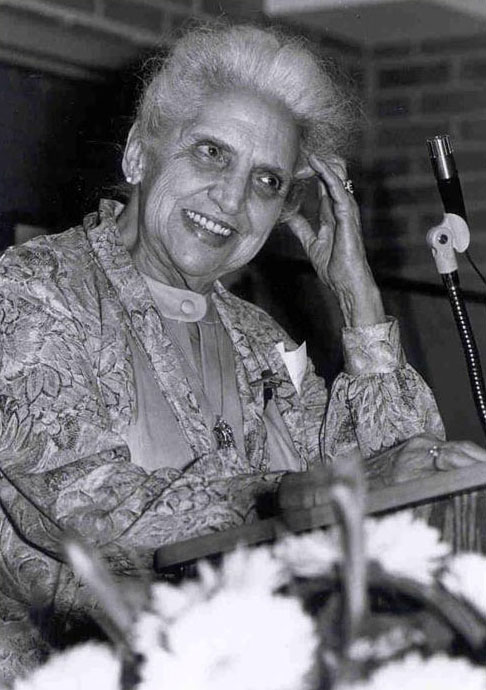
That first year, 75 German and Austrian teenagers — selected by the Army of the Occupation, the oldest age group not to have come of age under the Hitler Jugend — came to live with volunteer families in Michigan. Dr. Rachel Andresen, Executive Director of the Ann Arbor/Washtenaw Council of Churches, helped place them. In 1952, the Council of Churches became the program’s official agency, and gave it a name: Youth For Understanding.
Andresen led the organization until 1973, building it from a Michigan-based placement effort into a global movement for international understanding. By 1955, the exchange ran both ways, with American teenagers spending their summers with European families. Within a decade, YFU had crossed the Pacific to Japan and opened its first programs in Latin America — the seeds of the global network we’re part of today.