
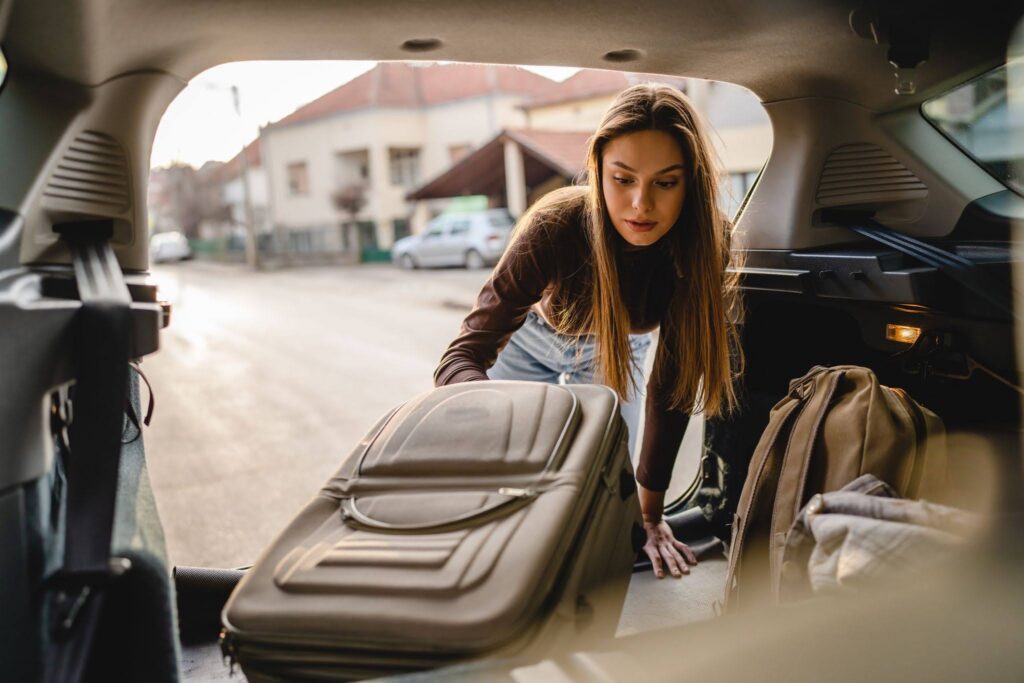
A well-planned study abroad packing list can make the days before departure feel less stressful. When students understand what to pack for study abroad, they can avoid overpacking, stay organized, and feel more prepared for life in a new country.
Packing is also part of preparing for a new environment, new routines, and the cultural exchange experience that awaits. This guide covers study abroad essentials, a complete checklist, smart packing strategies, and destination-specific tips to help students prepare with confidence.
Some of our YFU programs provide a specialized packing list before departure, and students should also keep airline weight restrictions in mind. We will share more information about travel details and luggage requirements once travel is confirmed.
What to Pack for Study Abroad
Deciding what to pack for study abroad starts with focusing on what students will use during travel, school, daily routines, and the first few weeks abroad. A smart study abroad checklist packing strategy begins with essentials, then leaves room for destination-specific items based on climate, program length, school expectations, housing arrangements, and what may be easier to buy after arrival.
Important Documents and Travel Essentials
Important documents should be packed carefully and kept easily accessible during travel. Students should bring:
- A valid passport and visa, if required
- Photocopies of passport and visa documents
- Travel insurance information
- Emergency contact details
- Program contact information
- Local currency or a plan for accessing money abroad
- Credit, debit, or prepaid payment methods accepted internationally
It’s also helpful to store copies of important documents both physically and digitally. Students may keep paper copies in a separate bag and save digital copies in a secure, accessible location. This makes it easier to respond if something is misplaced during travel.
Study Abroad Essentials for Daily Life
Essentials for studying abroad should help students feel prepared during the first days abroad while they adjust to a new routine. These may include:
- Travel-size toiletries for the first few days
- Prescription medications in original packaging, if applicable
- Electronics, chargers, and a destination-appropriate power adapter
- A phone or communication device
- Basic school supplies, such as notebooks, pens, and folders
- A small backpack or day bag for school and local activities
Students joining exchange programs should always follow program-specific packing guidelines. Some programs may provide recommendations based on housing, school requirements, travel plans, or destination norms.
Everyday Items You’ll Need Abroad
A clear study abroad packing checklist helps students stay organized and avoid forgetting important items before departure. It also makes packing feel more manageable by separating what should stay close during travel from what can go in checked luggage.
Carry On Essentials Checklist
Students should keep important travel items in their carry-on, not in checked luggage. These are the things they may need during flights, layovers, arrival, or emergencies.
Carry-on essentials may include:
- Passport and visa, if required
- Copies of important travel documents
- Travel insurance information
- Emergency contacts and program contact details
- Medication and prescriptions in original packaging
- Phone, charger, and portable battery
- Laptop or tablet, if needed
- Travel adapter
- One change of clothes
- Basic toiletries that meet airline liquid rules
- Snacks for travel, if allowed
Keeping these items close can help students feel more prepared if luggage is delayed or travel plans change.
Main Luggage Checklist
Main luggage should include the clothing and personal items students will need once they arrive. The exact items depend on the destination, season, program length, and local expectations.
Main luggage may include:
- Clothing based on climate and season
- Comfortable everyday shoes
- School-appropriate clothing
- Sleepwear and undergarments
- Toiletries and personal care items
- Weather-specific items, such as a jacket, raincoat, or warm layers
- Accessories like a hat, belt, scarf, or sunglasses
- Extra school supplies, if needed
- Small personal items that help students feel at home
Students should avoid packing too much, since many everyday items can be purchased after arrival. Families can also review resources for students and families for additional preparation tools and guidance before departure.
Clothing and Personal Items to Pack
Clothing can take up the most space in a suitcase, so a strong packing list for study abroad should focus on practical pieces that fit the climate, respect local cultural expectations, and work for the length of the program. Students should choose items they can wear often and leave extra room for anything they may need or purchase after arrival.
How to Choose the Right Clothing
When packing study abroad clothing, versatility matters. Students should choose outfits that can be mixed, matched, and layered for different settings.
Helpful clothing tips include:
- Pack tops and bottoms that work well together
- Choose neutral colors that are easy to repeat and style
- Prioritize comfortable clothing for school, travel, and daily routines
- Bring layers for changing weather
- Include a few nicer outfits for school events, family gatherings, or special occasions
- Avoid packing too many items that only work for one specific event
Comfort should be a priority, but students should also think about how clothing may be viewed in their host community. What feels casual at home may feel too informal in another country or school setting.
Packing Clothes Based on Destination
Destination should guide what students pack. Colder climates may require warm layers like coats, gloves, and waterproof shoes. Warmer locations may call for breathable clothing, sun protection, and comfortable walking shoes.
Local dress norms are just as important as weather. Students should consider school expectations, host family guidance, and cultural expectations before finalizing their packing list. They can also review countries to study abroad to learn more about different destinations.
Study Abroad Essentials You Should Not Forget
Some of the most important essentials for studying abroad are easy to overlook because they seem small. These items may not take up much space, but they can make travel, arrival, and the first few weeks abroad much easier.
Commonly Forgotten Items
When building a study abroad packing list, students should double-check the small items that are often forgotten during last-minute packing.
Commonly forgotten items include:
- Printed copies of passports, visas, insurance details, and emergency contacts
- Digital copies of important documents saved securely
- Portable phone charger or power bank
- Reusable water bottle
- Travel locks for luggage
- Extra charging cords
- Small laundry bag
- Compact umbrella or rain jacket, depending on destination
- Prescription medication and basic first-aid items
These items can be especially helpful during travel days, airport transfers, orientation, and the first days in a new home or school environment.
Emotional and Personal Essentials
Packing for study abroad is not only about practical items. Students should also bring a few personal items that help them feel grounded while adjusting to a new country.
Emotional and personal essentials may include:
- A few printed photos from home
- A small comfort object
- A journal
- Favorite music, books, or small personal reminders
- Notes or contact information from family and friends
- Simple tools that help with routines, reflection, or stress relief
These items can be helpful during moments of adjustment or homesickness. A familiar object or photo can offer comfort while students build new routines, friendships, and confidence abroad.
Smart Packing Tips for Studying Abroad
Learning how to pack for study abroad efficiently can help students save space, stay organized, and avoid bringing more than they need. A good packing approach focuses on versatile items, easy organization, and enough flexibility to adjust after arrival.
Packing Tips to Save Space
Small packing choices can make a big difference when suitcase space is limited. Students should think about what they will use often and pack in a way that keeps items easy to find.
Helpful space-saving tips include:
- Roll clothes instead of folding them
- Use packing cubes to organize outfits, undergarments, and toiletries
- Wear bulky items, such as jackets or boots, during travel
- Pack travel-size toiletries for the first few days
- Choose clothing that can be layered and worn in different settings
- Keep heavier items near the bottom of the suitcase
Packing cubes can be especially helpful for students who will move between orientation, a host family, dorm-style housing, or school accommodations.
How to Avoid Overpacking
One of the best study abroad packing tips is to avoid packing for every possible situation. Students should focus on what they will realistically use and remember that many everyday items can be purchased abroad.
To avoid overpacking, students can:
- Pack enough clothing for about two weeks
- Plan to do laundry regularly
- Avoid bringing too many duplicate items
- Leave extra suitcase space for items collected abroad
- Review luggage weight limits before travel
- Remove anything they are packing “just in case” but likely will not use
Starting with short-term international experiences or shorter programs can also help students learn what they truly need while traveling. Over time, students often become more confident choosing practical items and leaving unnecessary extras behind.
Packing List for Studying Abroad in Europe
A study abroad packing list for Europe should focus on changing weather, frequent walking, and easy travel between cities or regions. Students should pack light, choose versatile items, and check the climate of their destination before departure.
Clothing for Europe Travel
Students should bring clothing that is comfortable, easy to layer, and appropriate for school and daily life. Helpful items may include:
- Layered outfits
- A waterproof jacket or compact raincoat
- Comfortable walking shoes
- School-appropriate clothing
- A few nicer outfits for events or outings
- Seasonal accessories, such as a scarf, hat, or gloves
Comfortable shoes are especially important, since students may walk often, use public transportation, and spend time exploring local communities.
Travel Essentials for Europe
Travel essentials should help students stay organized and move easily. Useful items may include:
- Universal power adapter
- Lightweight luggage or travel backpack
- Travel-size toiletries
- Small day bag
- Reusable water bottle
- Portable charger
- Copies of important documents
Students can also review broader study abroad statistics to better understand how international education connects students across countries and cultures.
Packing Methods Every Student Should Know
The right packing method can help students simplify their study abroad packing list and avoid bringing too much. These systems are not strict rules, but they can make packing feel more organized, especially when students are unsure where to start.
What Is the 5 4 3 2 1 Rule Packing
The 5-4-3-2-1 packing method is a simple way to build a balanced travel wardrobe. It usually includes:
- Five tops
- Four bottoms
- Three pairs of shoes
- Two layers, such as sweaters or jackets
- One accessory set
This method works well because it encourages students to pack versatile clothing without overloading their suitcase. It can be adjusted based on climate, program length, and laundry access.
What Is the 3 3 3 Packing Rule
The 3-3-3 packing rule focuses on simplicity. Students pack:
- Three tops
- Three bottoms
- Three pairs of shoes
From there, they can mix and match those items into multiple outfits. This method works well for shorter trips, weekend travel, or students who want to keep packing for study abroad as light as possible. It works best when clothing is comfortable, neutral, and easy to layer.
What Is the 1 to 6 Packing Rule
The 1-to-6 packing rule is another minimalist packing method. It usually includes:
- One hat
- Two pairs of shoes
- Three bottoms
- Four tops
- Five pairs of socks
- Six pairs of underwear
This approach is especially useful for short-term travel or students who want a clear structure before adding destination-specific items. For longer programs, students can use it as a starting point, then add weather-appropriate clothing, school items, and personal essentials as needed.
Support Systems During Your Study Abroad Experience
Packing is only one part of preparing for life abroad. Students also need support systems that help them feel informed, connected, and ready to adjust once they arrive.
Finding Support While Living Abroad
Students should stay connected with program coordinators, school contacts, and local communities. Asking questions early can make it easier to understand daily routines, transportation, expectations, and communication in a new environment.
This support can be especially helpful during the first few weeks, when students are still building confidence and adjusting to life abroad.
The Role of Host Families and Community
For many students, host families provide daily structure, encouragement, and a personal connection to local life. Through meals, conversations, school routines, and shared activities, families help students feel more at home.
This is also what makes hosting meaningful. Families who welcome students create belonging while gaining the benefits of cultural exchange at home.
Families can also explore what it means to welcome a student from another country, including guidance on hosting a Japanese exchange student and other opportunities to support international exchange.
Families interested in participating can learn more about hosting expectations and financial support before getting involved.
Getting Started With Your Study Abroad Journey
Once students have a packing plan, the next step is finding a study abroad experience that fits their goals, interests, and destination preferences. The right program can help students build confidence, explore a new culture, and prepare for life beyond the classroom.
Explore Study Abroad Opportunities
Students can begin by exploring destinations based on language goals, lifestyle, climate, school environment, and the kind of experience they hope to have abroad. Some students may want a full academic year, while others may prefer flexible options like gap year programs or summer study abroad.
Financial planning is also part of preparation. Students can review available scholarships to learn how financial support may help make international education more accessible.
Understanding the Full Experience
Studying abroad goes far beyond packing a suitcase. It’s an opportunity to build independence, develop confidence, and learn through daily life in another culture.
Through cultural immersion, students gain a broader global perspective and a deeper understanding of themselves and others. The experience can shape how they communicate, solve problems, and connect with the world long after they return home.
Final Packing Tips Before You Go
At YFU, we support students throughout their study abroad journey, from preparation through cultural adjustment and daily life abroad. A strong study abroad packing list helps students feel more prepared, but packing smart is more important than packing more.
Students should focus on essentials, choose versatile items, and remember that many everyday things can be purchased after arrival if needed. Leaving extra space can also make room for items collected during the experience.
The best preparation combines practical planning with flexibility, adaptability, and openness to new experiences. What students bring matters, but their mindset and support systems matter just as much as what fits in the suitcase.